
10 November 2026
Why Does 925 Silver Tarnish? (It's Not a Bad Sign)
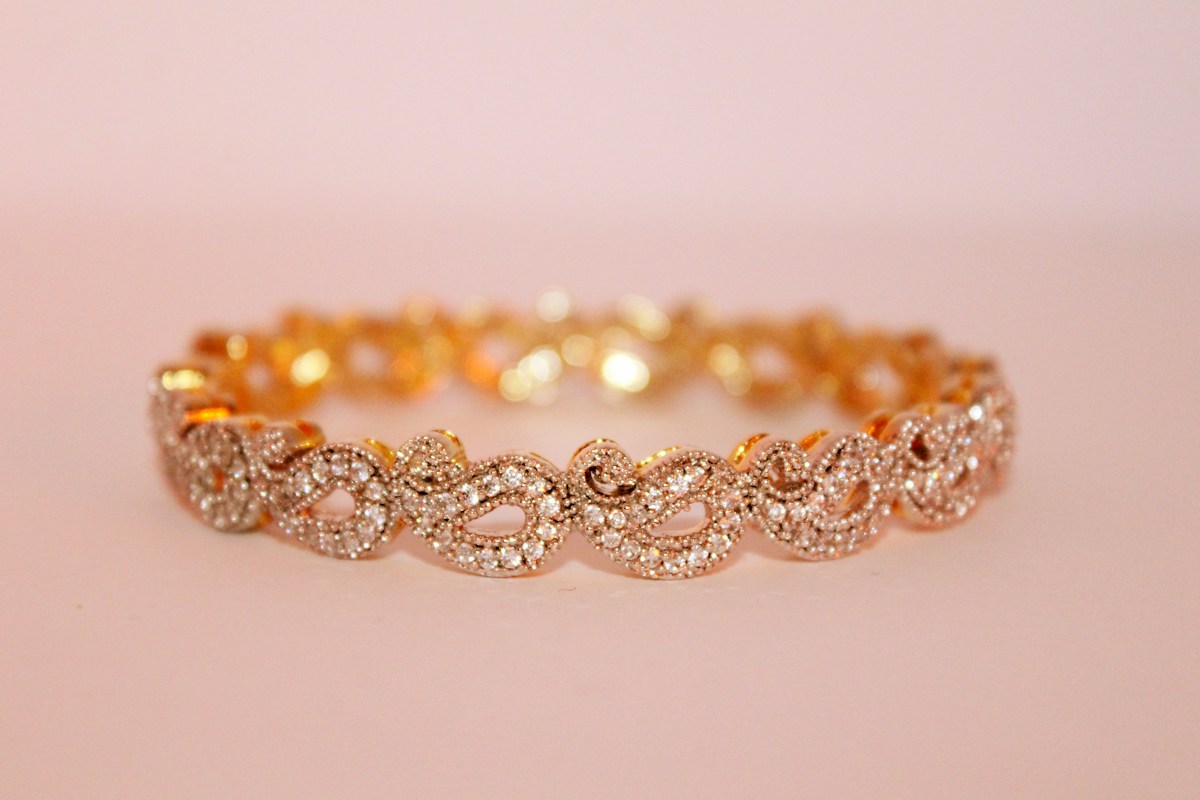
Silver tarnishes because it reacts with sulphur compounds in the air, forming a thin dark layer of silver sulphide on the surface. 925 sterling silver tarnishes a little faster than pure silver because of its copper content. Tarnish is not damage: it polishes off, and it is often a sign that your jewellery is real silver.
You open your jewellery box after a few months and a favourite pair of earrings looks dull, yellowed, or even black. It's easy to assume something has gone wrong. In most cases, nothing has. Tarnish is one of the most natural things silver does.
What Is Silver Tarnish?
Tarnish is a very thin layer of silver sulphide on the surface of the metal. It forms when silver reacts with sulphur compounds in the air. These compounds are around us all the time, in tiny amounts.
The change happens in stages. First the silver turns a pale yellow. Then it turns golden brown. Finally it becomes a deep grey-black. The layer sits only on the surface. The silver underneath is untouched.
Why Does 925 Sterling Silver Tarnish Faster Than Pure Silver?
Pure (999) silver is too soft for most jewellery, so sterling silver (925) is alloyed with about 7.5% copper for strength. Copper reacts with the air more readily than silver does. That means sterling pieces usually tarnish a little faster than fine silver coins or bars.
This isn't a flaw. It's the trade-off that makes sterling strong enough to wear every day. Learn more in our guide to 925 vs 999 silver purity.
What Makes Silver Tarnish Faster?
Some everyday things carry more sulphur, or create conditions where tarnish forms faster:
- Humidity. Indian monsoons are especially hard on silver.
- Air pollution, particularly in cities and near traffic.
- Cosmetics. Perfume, lotion, hairspray and hair oils all add to it.
- Certain foods. Eggs, onions and mayonnaise are all high in sulphur.
- Rubber and wool. Rubber bands and some fabrics give off sulphur compounds.
- Cardboard and some papers, which is one reason the box a piece came in isn't always the best long-term home.
- Sweat and skin chemistry, which vary from person to person. This is why two people can wear the same ring and see different results.
Does Tarnish Mean My Silver Is Real?
Often, yes. Real silver tarnishes. Stainless steel, and many "silver-tone" alloys, generally do not. So a little darkening over time often suggests you're wearing the real thing.
It isn't proof on its own, though. Brass, copper and some plated metals also discolour, often with a greenish or reddish tint rather than silver's grey-black. If a piece flakes, shows a different coloured metal underneath, or turns your skin green, it's more likely plated base metal. A hallmark and a trusted seller are still the most reliable guarantee.
Is Anti-Tarnish Jewellery Real Silver?
Not always. "Anti-tarnish" describes a protective coating, not the metal underneath. Much of the anti-tarnish jewellery sold online is stainless steel or plated brass. Real 925 silver can also be given an anti-tarnish finish, such as rhodium plating, which keeps it bright for longer. Before you buy anti-tarnish rings or earrings, check the product listing for the base metal and look for a 925 stamp.
Can Tarnish Be Removed?
Yes. Tarnish is a surface reaction, not decay, so it can be removed. A light polish usually brings back the shine, and even heavy tarnish can be lifted with simple home methods. Our guide, How to Care for Silver Jewellery, walks through the steps, including how to store silver in anti-tarnish bags.
One caveat: polishing removes the tarnish layer, and with it a microscopic amount of silver. That's no concern for occasional cleaning. Over many years, though, gentle methods are kinder to fine detailing than aggressive scrubbing.
When Darkness Is Intentional
Not every dark finish is tarnish. Oxidised silver is darkened on purpose to bring out patterns, engraving and texture. It's a popular style in traditional Indian designs. Polishing these pieces too hard can erase the very detail that makes them special, so treat them gently.
Key Takeaways
- Tarnish is a thin surface layer caused by sulphur in the air; the silver underneath is fine.
- 925 sterling silver tarnishes a little faster than 999 because of its copper.
- Tarnish is reversible and often a sign of real silver.
- "Anti-tarnish" refers to a coating; always check the base metal.
FAQs
Why does my silver turn black? Silver turns black when it reacts with sulphur compounds in the air and forms silver sulphide. Humidity, cosmetics and sweat speed this up.
Does 925 silver tarnish? Yes. 925 sterling silver tarnishes over time because it contains about 7.5% copper. Regular wear and airtight storage slow it down a lot.
Is it bad if my silver tarnishes? No. Tarnish is a harmless surface layer that polishes off easily, and it often confirms the piece is real silver.
How do I stop silver from tarnishing? Store it in an airtight anti-tarnish bag, keep it away from water, perfume and lotion, and wipe it with a polishing cloth after wearing.
Have a piece that's darkened in a way you're not sure about? Reach out to us. We're happy to take a look. Or explore our 925 sterling silver collections.