
18 November 2026
Anti Tarnish Earrings vs 925 Silver: Which to Buy?
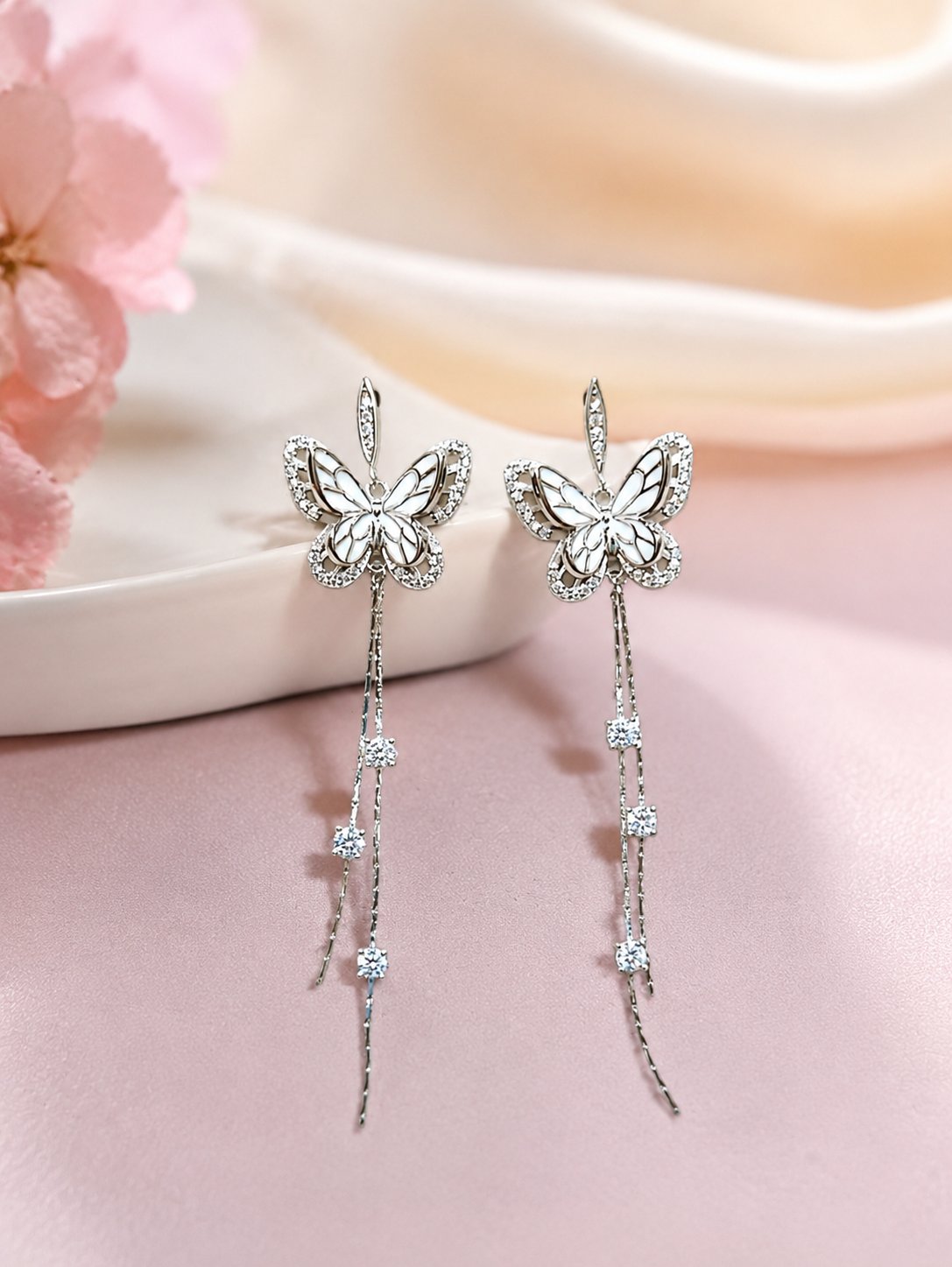
Anti tarnish earrings are earrings with a protective coating, usually rhodium, e-coat or PVD, that slows darkening. Many are brass or alloy underneath, not silver. If you want earrings that last, choose 925 sterling silver: it may tarnish gently, but it polishes back, is kinder to most ears and keeps its value.
From Karthigai Deepam lamps on 24 November to the December wedding muhurats and Vivah Panchami on 14 December, the next few weeks are full of reasons to dress up. Earrings are the piece most of us reach for first, and they are also the piece most likely to be bought in a hurry from a listing that simply says "anti tarnish". This guide explains what that label really means, how long the coating lasts, and how to choose a pair you will still be wearing next wedding season.
What are anti tarnish earrings?
Anti tarnish earrings are earrings finished with a thin protective layer that keeps air, sweat and moisture away from the metal underneath. The label describes the finish, not the metal. That distinction matters, because the same words appear on very different products.
The three common finishes are:
- Rhodium plating. A bright, white platinum-group metal electroplated over the base. It is the finish used on most good-quality silver and white-gold jewellery.
- E-coating (electrophoretic lacquer). A clear, thin lacquer that seals the surface. Common on fashion jewellery.
- PVD (physical vapour deposition). A hard, thin film bonded in a vacuum chamber, often used on stainless steel and for gold-toned finishes.
Are anti tarnish earrings real silver?
Only if the seller says so and the hallmark proves it. Plenty of anti tarnish earrings sold in India are brass, copper alloy, zinc alloy or stainless steel with a coating on top. Others are genuine 925 sterling silver with rhodium plating, which is the best of both worlds.
Ask three questions before you buy:
- What is the base metal? "Silver-toned", "silver finish" and "German silver" do not mean silver.
- Is there a purity mark? Look for 925 on the post, the hook or the back of the earring. Our guide to silver purity explains what 925 and 999 mean.
- Is it hallmarked? A BIS-hallmarked silver piece carries the BIS logo, the word "SILVER", the purity grade and a six-character HUID, and registered jewellers must show hallmark details on the invoice (BIS Hallmarking FAQ).
How long does an anti tarnish coating last on earrings?
It depends on the coating, how often you wear the pair and how much friction it sees. No coating is permanent. Earrings are luckier than rings and bracelets, because they rub against less, but posts, hooks and backs wear first.
| Finish | Typical base metal | What wears it down | When it wears through |
|---|---|---|---|
| Rhodium plating | 925 silver, white gold | Friction, harsh cleaners | Silver underneath can tarnish and be polished; can be re-plated |
| E-coating / lacquer | Brass, copper alloy | Sweat, perfume, scratches | Base metal may darken or turn green; hard to restore |
| PVD | Stainless steel, brass | Deep scratches | Usually long-lasting on steel; on brass, the base shows through |
| Plain 925 silver (no coating) | 925 silver | Sulphur in air and on skin | Darkens gently; polishes back to bright every time |
The last row is the one most listings leave out. Uncoated sterling silver has nothing to wear off. It tarnishes, you wipe it, and it shines again, for decades. Read why silver tarnishes for the simple chemistry behind it.
Are anti tarnish earrings safe for sensitive ears?
They can be, but the coating is only as safe as what lies beneath it. Once a plating thins on the post, your skin touches the base metal. If that base contains nickel, sensitive ears may react with itching or redness.
The American Academy of Dermatology names earrings and earring backs among the biggest sources of nickel exposure, and suggests choosing nickel-free or hypoallergenic metals such as sterling silver, higher-karat gold or platinum (AAD: Nickel allergy). If you have a known metal allergy, check the alloy with the seller and see a dermatologist for a proper diagnosis.
A practical tip: even when the front of an earring is coated, choose a pair whose post or hook is solid 925 silver. That is the part that sits in your skin all day.
Anti tarnish earrings or 925 silver studs: which should you buy?
Buy coated fashion earrings for a trend you will wear a few times. Buy 925 sterling silver for anything you want to keep.
Choose anti tarnish fashion earrings if:
- You want a bold, on-trend look for one season.
- Budget is the main concern and you accept a limited life.
- You do not have sensitive ears.
Choose 925 sterling silver earrings if:
- You want to wear them for years, and pass them on.
- You have sensitive ears or wear earrings all day.
- You want to wear them to weddings, poojas and functions, alongside gold.
- You would rather polish a piece than throw it away.
For most women, the sweet spot is a pair of 925 silver earrings: light enough for daily wear, refined enough for a reception, and easy to care for. Every pair in our collection is made in 925 sterling silver, so what you buy is real silver all the way through, not a coating over brass.
Which silver earrings suit the wedding and festival season?
Match the earring to the function and the outfit, then to your comfort over a long day.
- Karthigai Deepam and family poojas: antique or temple-style studs with peacock, floral or Lakshmi motifs look lovely in lamplight against silk.
- Mehendi and sangeet: lighter drops and floral studs that move with you while you dance, such as our Butterfly Drop Earrings or Floral Stud Earrings.
- Muhurtham and reception: a statement pair, such as the Silver Polished Honeycomb Hangings, or studs that match your necklace set.
- Office and daily wear: small polished geometric studs that sit flat and do not catch on dupattas or hair.
- Christmas and New Year gifting: a delicate pair is the easiest gift, because it needs no sizing. The Blue Heart Pearl Earrings and Sparkling Floral Stud Earrings are lovely choices.
Weight matters more than people expect. Heavy earrings worn for eight hours can stretch the piercing. For long functions, choose studs, or support heavier pairs with ear chains or a bugadi-style cuff.
How do you keep earrings from tarnishing?
Slow tarnish with a few habits, whatever the finish:
- Put earrings on last, after perfume, hairspray and make-up.
- Take them off before bathing, swimming or the gym.
- Wipe them with a soft, dry cloth after wearing to remove sweat and oils.
- Store each pair separately in an airtight or anti-tarnish pouch, away from humidity.
- On coated pieces, avoid silver dips and abrasive polishes, which strip the plating.
Our full guide to caring for silver jewellery covers safe cleaning step by step.
Key Takeaways
- "Anti tarnish" describes a coating, not the metal. Many anti tarnish earrings are brass or alloy underneath.
- Rhodium, e-coat and PVD all slow tarnish, but none lasts forever; posts and hooks wear first.
- 925 sterling silver may tarnish, but it always polishes back and is kinder to most sensitive ears.
- Check for 925 and the BIS hallmark (BIS logo, "SILVER", purity, HUID) before you buy.
- For weddings and daily wear alike, a pair of 925 silver earrings is the most versatile buy.
FAQs
Are anti tarnish earrings real silver? Not always. Anti tarnish refers to a protective coating, and many such earrings are brass, alloy or steel underneath. Look for a 925 stamp and a BIS hallmark to confirm real silver.
How long do anti tarnish earrings last? A good coating can keep earrings bright for months to a few years, depending on the finish and how often you wear them. Friction, sweat and harsh cleaners wear it down faster, and the posts usually show wear first.
Can I wear anti tarnish earrings in water? It is best not to. Water, soap and chlorine speed up wear on any coating and can dull the base metal once it is exposed. Remove earrings before bathing or swimming.
Do 925 silver earrings turn black? They can darken slowly as silver reacts with sulphur in the air and on skin, but this is normal and reversible. A wipe with a silver polishing cloth brings back the shine.
Which earrings are best for sensitive ears? Earrings with posts in 925 sterling silver, higher-karat gold or platinum are usually better tolerated than plated base metals. If you have a known allergy, confirm the alloy with the seller and consult a dermatologist.
Is rhodium-plated 925 silver better than plain silver? It stays bright longer with less care, which many people like. Plain 925 silver needs occasional polishing but has no coating to wear away, and either is a far better buy than plated brass.